Beginner Guide to Buying your First Banjo
Quick Summary
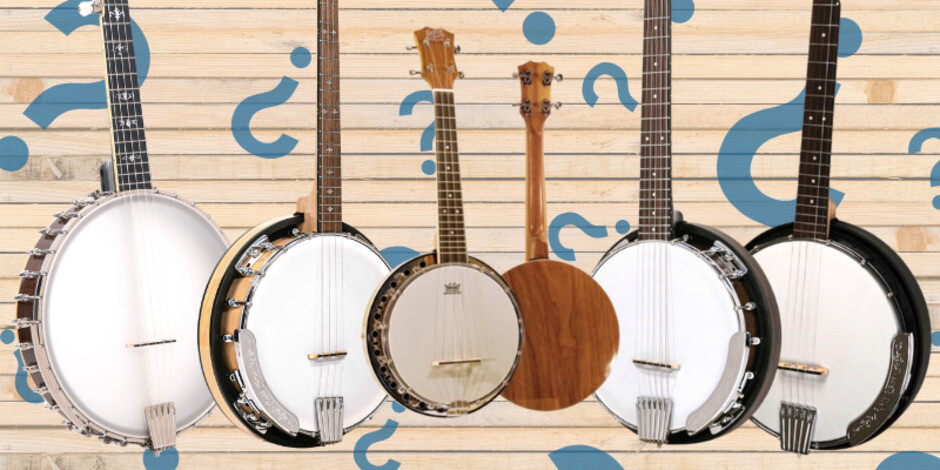
In this article we’ll delve into the differences between the most popular types of banjo, helping you to decide which is best for you.
What to consider when exploring your beginner banjo options
So, you’ve decided to venture into the wonderful world of folk music, and want to pick up a banjo for the first time.
Or, perhaps you’re an experienced player looking to expand your sound a bit.
Which banjo should you choose for your point in the journey? Well, that depends on you.
Some key things to consider when you’re choosing the right banjo include the type of sound you want to achieve, the genre you’ll be playing most, and whether you’ll be focussing on private practice or need added volume for live performances.
First, let’s look at the most popular types of banjo you’ll have to choose from.
What are the different types of banjo?
Like how acoustic guitars come in myriad body shapes, banjo’s come in many variations too, each suited to different sounds and playing styles.
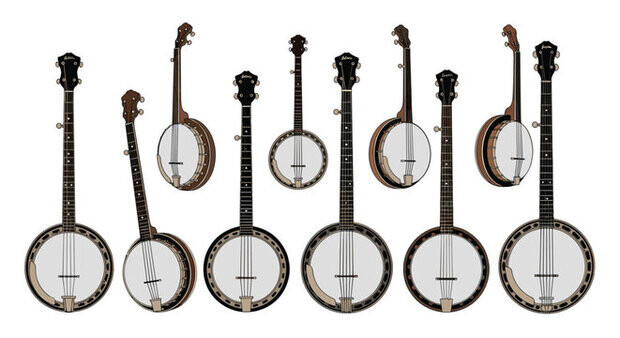
The most popular types include Bluegrass, Irish Tenor, Plectrum, Banjitar, Banjolele, and Cello Banjo’s.
Let’s delve into the key features and benefits of each style.
Best Banjo for Beginners: Bluegrass Banjo
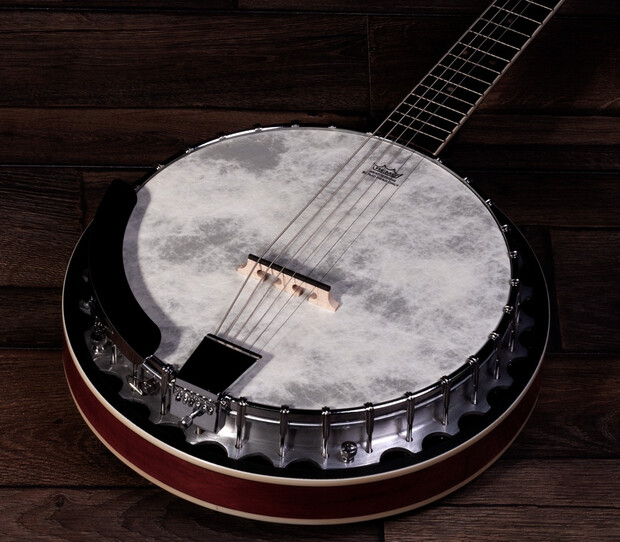
First up we have the most popular type out there: the 5-string ‘Bluegrass’ banjo.
The Bluegrass banjo is pretty much the standard option across most folk and bluegrass music. This is thanks to its brightness and volume, as well as the fifth ‘drone’ string which offers more musical versatility for players.
This high-pitched fifth string creates that instantly recognisable ringing sound that is so synonymous with bluegrass music, and is often played open to create a rhythmic background for the melody.
Generally, Bluegrass banjos feature a resonator back and tone ring, and almost always have 22 frets.
While this type is most popular for folk and bluegrass, it’s also suitable for plenty of other genres, including country, rock and gospel. It’s considered to be one of the best options for beginners, so if you’re still trying to figure out your sound, this might be the best option for you as you start out.
Bluegrass Banjo Key Features:
Generally have 22 frets
5 string instrument
Tend to have a resonator back (though there are open backs out there)
Ideal for folk and Bluegrass genres, as well as country, rock and gospel
Great choice for beginners due to its versatility and popularity
Our Recommended Bluegrass Banjos for Beginners
If you have a smaller budget, we would highly recommend the Barnes & Mullins BJ300 5-string banjo. This option is our best selling beginner banjo here at Gig Gear, and we offer a variety of bundles that include a gig bag or hardcase too.
Or, if you're wanting to purchase all of your accessories and the instrument in one go, Gold Tone offer an affordable, beginner friendly Bluegrass Banjo Starter pack, which includes their Cripple Creek resonator banjo, as well as a tuner, neck strap, finger and thumb picks, instructional video and gig bag.
Finally, if you’re looking for an electronic instrument that you can plug in and amplify for live performances, we would recommend the Barnes and Mullins BJ400E Rathbone 5-String. This option features a built-in pickup for faff-free amplification when gigging.
Best Banjo for Melody Focussed Players: Irish Tenor Banjo
Next up, we have the Irish Tenor Banjo. Unsurprisingly, this type is most popular with musicians who play traditional Irish music.
This banjo typically comes with either 17 or 19 frets, and each have their own benefits. The 17-fret Irish tenor is more compact, making it easier when playing fast and intricate melodies, whereas the 19-fret models are ideal for those looking for enhanced volume, especially when playing live.
Unlike the Bluegrass banjo, the Irish tenor has only four strings, designed for more melody focussed playing.
Irish Tenor Banjo Key Features
Choose between either 17 fret or 19 fret variants
4 string instrument
Resonator or openback
Ideal for traditional Irish styles and fast intricate melodies
The 17 fret version is a great choice for children thanks to its smaller size
Our Recommended Irish Tenor Banjos for Beginners
When it comes to learning to play on an Irish Tenor banjo, your best bet is to start with a smaller, 17-fret, openback model.
This is because the 17-fret openback versions tend to be lighter instruments, making them more comfortable to play. They also tend to be sold at a lower price point than their 19 fret and resonator siblings, helping you to minimise costs when you’re just starting out.
Our top recommendation for an openback 17-fret Irish Tenor banjo would be the Gold Tone AC-4 IT Acoustic Composite Openback Irish Tenor banjo.
However, if you’re looking for a fuller, louder sound, you could also try the Barnes and Mullins BJ304GT Perfect Irish Tenor Banjo at a very similar price point.
While the 17-fret Irish tenor banjo tends to be the most beginner-friendly, the 19-fret may still be better suited to you if you’re less inclined towards fast and intricate playing. In that case, we would recommend the Gold Tone IT-19 19-Fret Irish Tenor Banjo.
Best Banjo for Jazz Players: Plectrum Banjo
Like the Irish Tenor, the Plectrum Banjo comes in a 4-string configuration. It’s traditionally played with a plectrum - hence its name.
With a longer, 22 fret neck, this banjo is best suited to heavy chord melodies and strumming, particularly for those looking to venture into the jazz/dixieland genre. In fact, this type of banjo is commonly referred to as a ‘Jazz Banjo’.
The Plectrum banjo is known for having a warm, rich and deep tone, especially if the build features a flathead tone ring. It’s a great choice for those looking to play in ensembles, with plenty of resonance and volume to cut through the din of the rest of the band.
Plectrum Banjo Key Features:
Typically 22 frets
4-string instrument
Typically played with a plectrum
Ideal for jazz/dixieland playing
Choose either resonator or openback
Our Recommended Plectrum Banjos for Beginners
If you’ve decided a plectrum banjo is best suited to you, we’d recommend the Gold Tone Cripple Creek Plectrum Resonator Banjo.
This banjo is built from majority maple, meaning it offers a responsive, bright and crisp sound. You can also expect increased clarity and projection thanks to the maple resonator back.
Best Banjo for Guitar Players: Banjitar
For those who are new to the banjo world, but have a history with playing guitar, a banjitar could be the ideal instrument to bridge the gap as you’re learning.
A hybrid between a banjo and guitar, this is a six-string instrument with standard guitar tuning. This means players can use familiar chord shapes, scales and techniques that they learned playing guitar, while achieving a more folksy sound.
Sonically, you can expect the depth and resonance of an acoustic guitar blended with the punchy twang of a banjo, ideal for a variety of genres including bluegrass, jazz and rock.
Banjitar Key Features:
Between 21-24 frets
6-string instrument
Almost always resonator back
Ideal for guitarists first starting out with the banjo thanks to guitar tuning style
Versatile sound that works with genres such as bluegrass, jazz and rock
Our Recommended Banjitars for Beginners
For budget-conscious beginners, Barnes and Mullins offer an excellent and affordable Banjitar for you to start out with: the BJ306 Perfect 6-String Guitar Banjo.
This option features a mahogany neck and resonator, so you can expect a deep, warm sound when playing.
If you’re after a brighter, punchier tone, we’d recommend the Gold Tone Cripple Creek Banjitar, which features a maple build.
Best Banjo for Ukulele Players: Banjolele
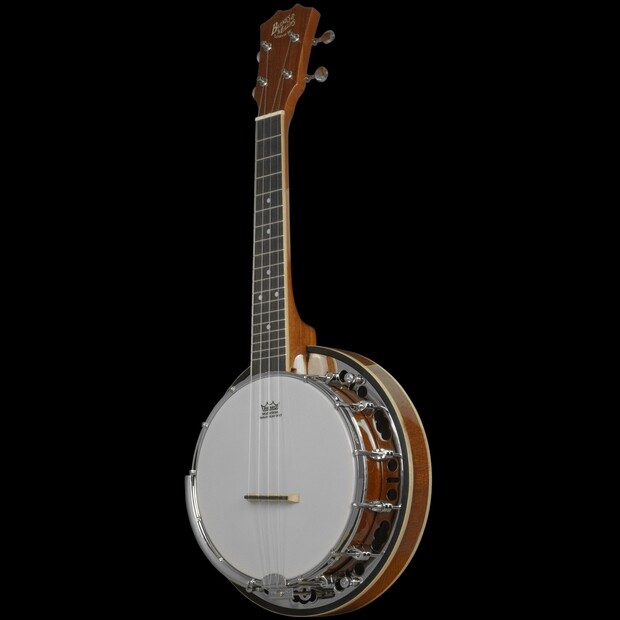
Now for another hybrid: the banjolele.
As you probably guessed, this instrument blends the easiness and compactness of a ukulele with the plunky, bright tones of a banjo.
This means that ukulele players can enter the folk genre without having to learn any new chords or techniques. The banjolele is tuned to standard ukulele tuning and is suitable for many styles and genres, from folk to bluegrass.
Banjolele Key Features:
Typically between 16-19 frets
4-string instrument
Standard ukulele tuning
Small and compact, ideal for travel
Ideal for folk and bluegrass playing
Our Recommended Banjolele’s for Beginners
For budget-conscious beginners, Barnes and Mullins offer a great selection of banjo ukuleles at an affordable price point.
However, we would specifically recommend the UBJ1, due to its build quality and mahogany resonator, which offers a warmer tone.
If you’re looking for an electronic version for live performances, we’d recommend the Gold Tone BU1 Electro Banjolele. This instrument is built with a maple rim, creating a louder and snappier tone which is only amplified further thanks to the pre-installed Hot Dot pickup.
Best Banjo for a Creepier Sound: Cello Banjo
Finally, we have the Cello banjo. This instrument is most commonly found as a 5-string variant, but you should be able to find 4-string cello banjos out there, too.
This type of banjo is typically tuned one octave lower than other 5-string banjos, and offers an incredibly deep, booming and eerie baritone tone. It was very popular in the late 19th century, with a voice suited to folk, old-time and clawhammer styles.
Generally, a cello banjo is recommended as a second instrument, as it has much more sustain and less cut than a standard banjo. So, if you’re an experienced player looking to deepen your sound, this might be a great option for you.
Cello Banjo Key Features:
Typically 16/17 frets
Usually 5-string, can be found as 4-string instrument
Ideal for a deeper, creepier, old-timey sound
Baritone tone
Typically strung with nylon strings
More suited to banjo players looking to purchase a second instrument
Resonator Banjo vs Openback Banjo
So, we’ve gone through the different types of banjo that you might come across.
Once you’ve made your decision on type, you’ll then likely have a second choice to make: resonator back, or openback.
Benefits of a Resonator Banjo
Resonator back banjos are the best choice for any musician hoping to play live.
The rounded, closed-back is designed to project the sound of your instrument forward towards the audience, essential for cutting through the sound of the rest of your ensemble.
Offers better volume and natural amplification for live performances
Projects sound outward rather than towards the player
Better choice for ensemble playing
Often provide longer note sustain
Can offer a snappier sound (though this may depend on the tonewood)
Benefits of an Openback Banjo
Openback banjos are typically somewhat more affordable than resonator banjos, as well as being lighter and more comfortable for long practice sessions - so they’re a great choice for beginners.
They tend to produce a warmer, earthier, more natural tone than their resonator counterparts, making them ideal for old-time and folk playing.
Generally lighter and more comfortable than resonator banjos
Typically more affordable than a resonator banjo
Quieter, earthier and more intimate sound
Great for old-time and folk genre playing
Choosing the Right Tonewood
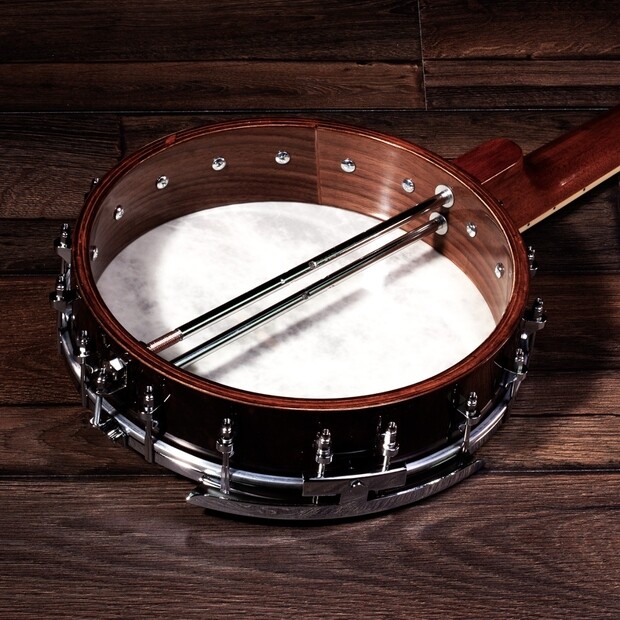
Like with any instrument, your choice of tonewood will impact the sound you create with your banjo - especially if you’ve gone for a resonator option.
The most common tonewoods used for banjos include maple, mahogany and walnut, each offering their own unique sound.
Maple Banjos
Maple is the standard tonewood used for Bluegrass banjos. It offers a bright and punchy sound with a cutting tone.
Most desirable for Bluegrass players
Bright, punchy, cutting tone
Wide dynamic range and exceptional responsiveness
Strong projection
Mahogany Banjos
Mahogany is the perfect choice for players who desire a warmer, more mellow and sweeter sound.
Great choice for intimate playing & folk music
Warm, mellow and sweet sound
Shorter, tighter sustain
Generally lighter than maple, ideal for standing and playing for longer periods
Walnut Banjos
Walnut is perhaps the most versatile of the three tonewoods, with a sound that lies in the middle of maple’s brightness and mahogany’s warmth.
Balanced tone, sitting between the brightness of maple and the warmth of mahogany
Excellent clarity and decent resonance and sustain
Deep and rich tone for a more versatile sound, suited to most genres
Better projection than mahogany, but perhaps not as good as maple
Still Unsure? Come & Test One Out!
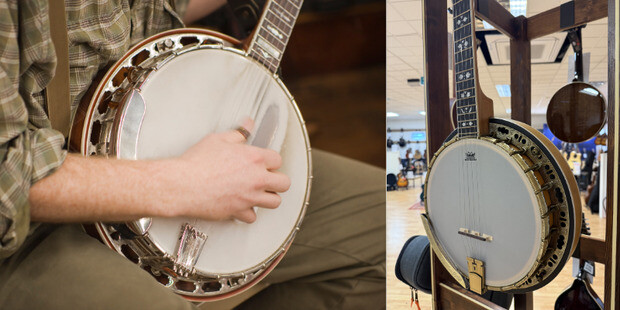
If you’re still unsure which banjo is right for you, we’d highly recommend getting your hands on one and trying it out before you make your choice!
Here at GigGear, we offer a variety of different banjos, from Irish Tenor to Plectrum to Bluegrass, and more. Feel free to pop down to the store to try out any we have in stock - or speak to our sales team for further advice!
Key Takeaways
The main types of banjo include Bluegrass, Irish Tenor, Plectrum, Banjolele, Banjitar, and Cello Banjo
Resonator banjos are better suited to musicians looking to play live, with a focus on projection
Openback banjos are better suited to beginners, thanks to their affordability and lighter weight
The tonewood you choose will affect your sound, with maple offering a crisper, punchier tone, mahogany offering more warmth and sweetness, and walnut sitting somewhere in the middle


Comments